
KIT contributes to the research program "Changing Earth - Sustaining our Future" in the Helmholtz Research Field Earth and Environment.
The atmosphere is the Earth's thin protective layer that shields us from harmful radiation, moderates temperature differences, and redistributes thermal energy, water, and pollutants: Almost all life depends on it. This protective function is maintained by delicate balances and is vulnerable to global changes in climate and land use. The main drivers of climate change are the radiative effects of greenhouse gases and aerosols, which affect the composition and impact of the atmosphere on all aspects of societal activities.
We are developing seamless observational and modeling techniques to unravel the complex interactions of climate change between the atmosphere, land surface, and ocean. As focal areas, we are investigating changes in air quality - globally and in urban areas - the internal causes and effects of climate change through feedbacks, and what kinds of weather and extremes we will need to prepare for in the future. Advances in these areas are paramount for reliably assessing the state of the Earth system and for predicting and projecting global changes on our future living conditions.
[more]
Our research follows a holistic approach: we develop cross-scale observational and modeling solutions for improved atmospheric forecasts and regional climate projections with unprecedented resolution. We strive to observe, understand, and predict atmospheric phenomena and process chains from their origin to climate change impacts in the atmosphere, particularly in their interactions and feedbacks with the land surface, biosphere, cryosphere, oceans, and near-Earth space. Through our work, we can assess the physical, chemical, and socio-ecological consequences of atmospheric change and its impact on climate, extreme weather, and land ecosystem functioning.
In doing so, we increase knowledge to address societal challenges such as global warming, growing world population, land use change, air quality, water availability, and energy and mobility change. Our atmospheric and climate observation and modeling activities provide the scientific basis of sustainable development strategies for the benefit of society, ecosystems, and climate mitigation and adaptation combined with economic risk reduction.
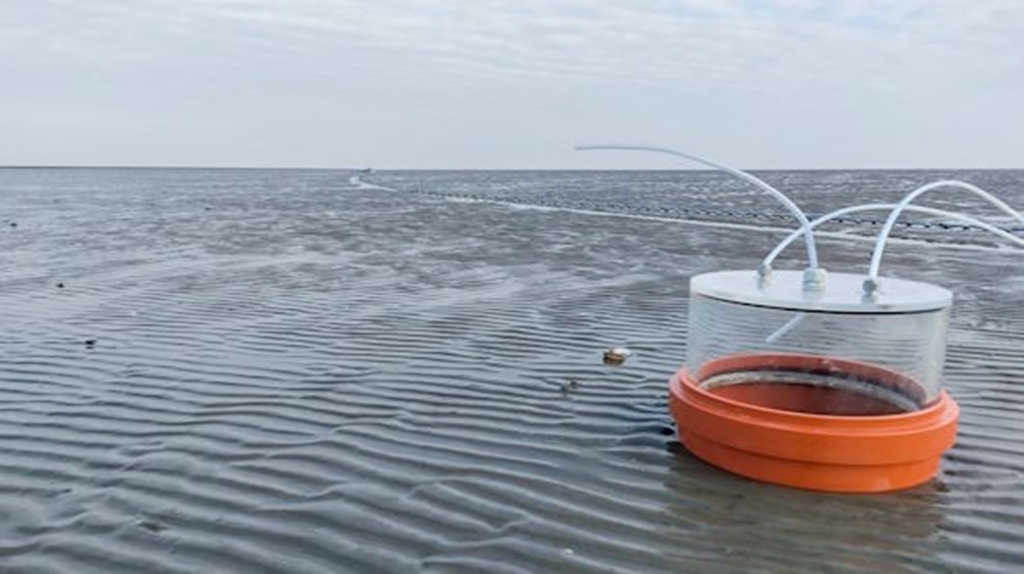
A significant proportion of atmospheric aerosol particles are formed through the oxidation of volatile organic compounds (VOCs). These are primarily released from biogenic sources, such as forests, but also from biodiverse coastal regions, such as the Wadden Sea. In the summer of 2026, we therefore measured VOC concentrations in the Bay of Meldorf as part of the joint MOSES Wadden Sea measurement campaign. Five Helmholtz Centres and the University of Hamburg participated in this effort, also focusing on the greenhouse gas methane.
more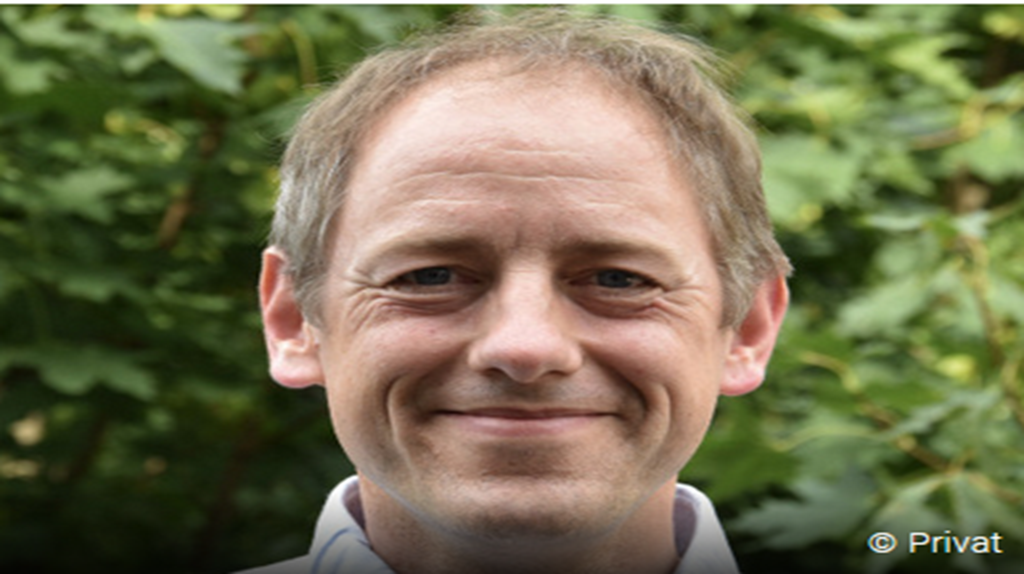
Starting 1 August 2026, Prof. Dr. Jan Cermak is officially the head of IMKASF.
He had already filled this role on an interim basis over the past two years.

Volatile organic compounds (VOCs) contribute substantially to the formation of atmospheric aerosols via oxidation reactions. VOCs are predominantly emitted from biogenic sources, such as forests, but also from anthropogenic sources, which are typically concentrated in urban areas. In August 2026, we measured VOC fluxes in the Eifel Forest and VOC concentrations in the centre of Cologne, in order to validate airborne VOC flux measurements taken using a Zeppelin NT airship. Our colleagues from Forschungszentrum Jülich organised the international CC-FLUX campaign.
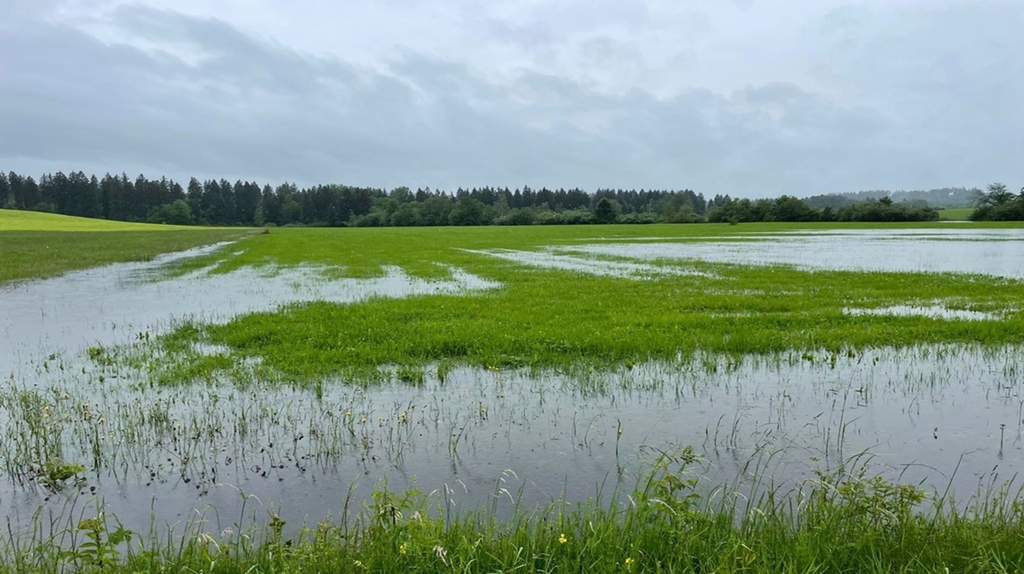
Contrast: water. Heat, drought, low water levels, heavy rainfall and flooding. We need to rethink our approach to extreme weather events and, above all, water management. An interview with Prof. Dr Harald Kunstmann IMKIFU and Prof. Dr Peter Knippertz IMKTRO on how to deal with them. Redirecting to helmholtz.de.
more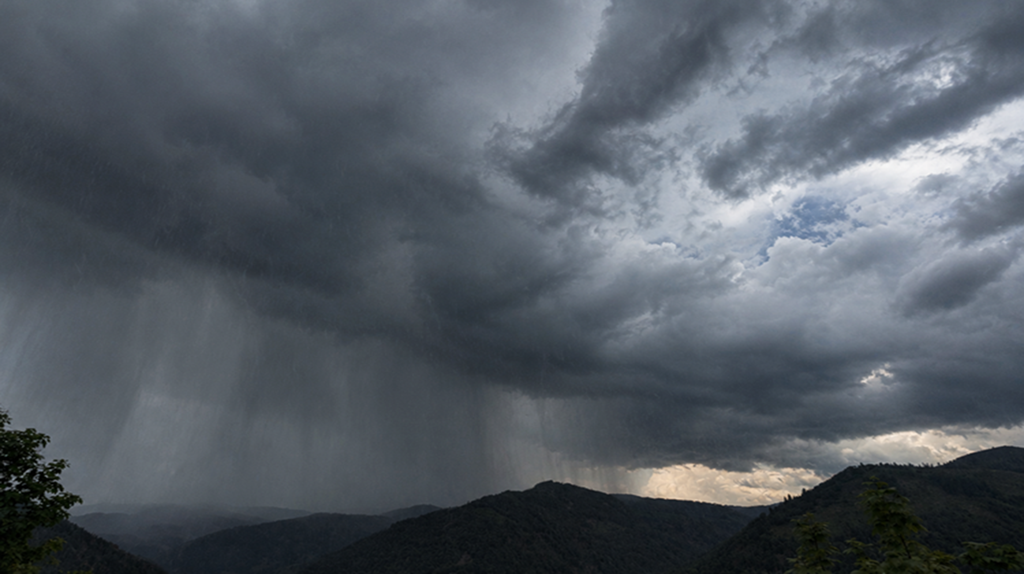
Heat, drought, low water levels, and warm rivers show just how much pressure Germany’s water balance is under.
more
With her new group of Experimental Meteorology at IMKTRO, Raphaela Vogel will develop innovative methods to extract process-oriented observational products
more